The Power of Communication
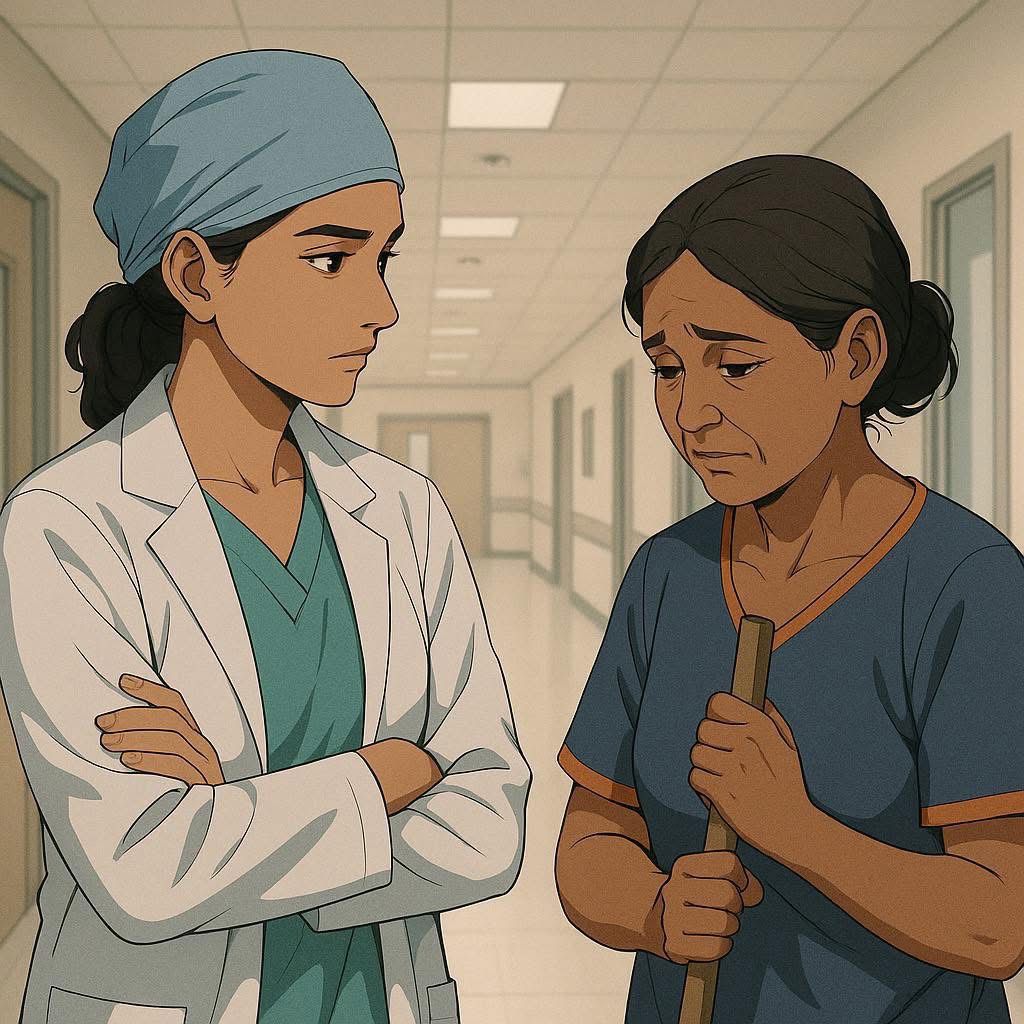
Don’t come to see me again if you do not stop smoking and drinking alcohol!
Seven years ago, I had said this to one of my patients. At that time, it came from good intent (and probably a little bit of entitlement). Smoking can cause serious complications after any surgery. For us doctors, it’s a no-brainer.
I had meant it as lighthearted advice, hoping it would serve as negative motivation. But what I said in passing, was taken to heart by my patient. I never imagined he would take it so seriously.
Soon after, he was lost to follow-up. Our repeated calls went unanswered. Then COVID struck, and a few more years slipped by.
Last week, out of the blue, I received a desperate message from him: “Doctor, I really need your help! Can I see you?” He was suffering from multiple complications.
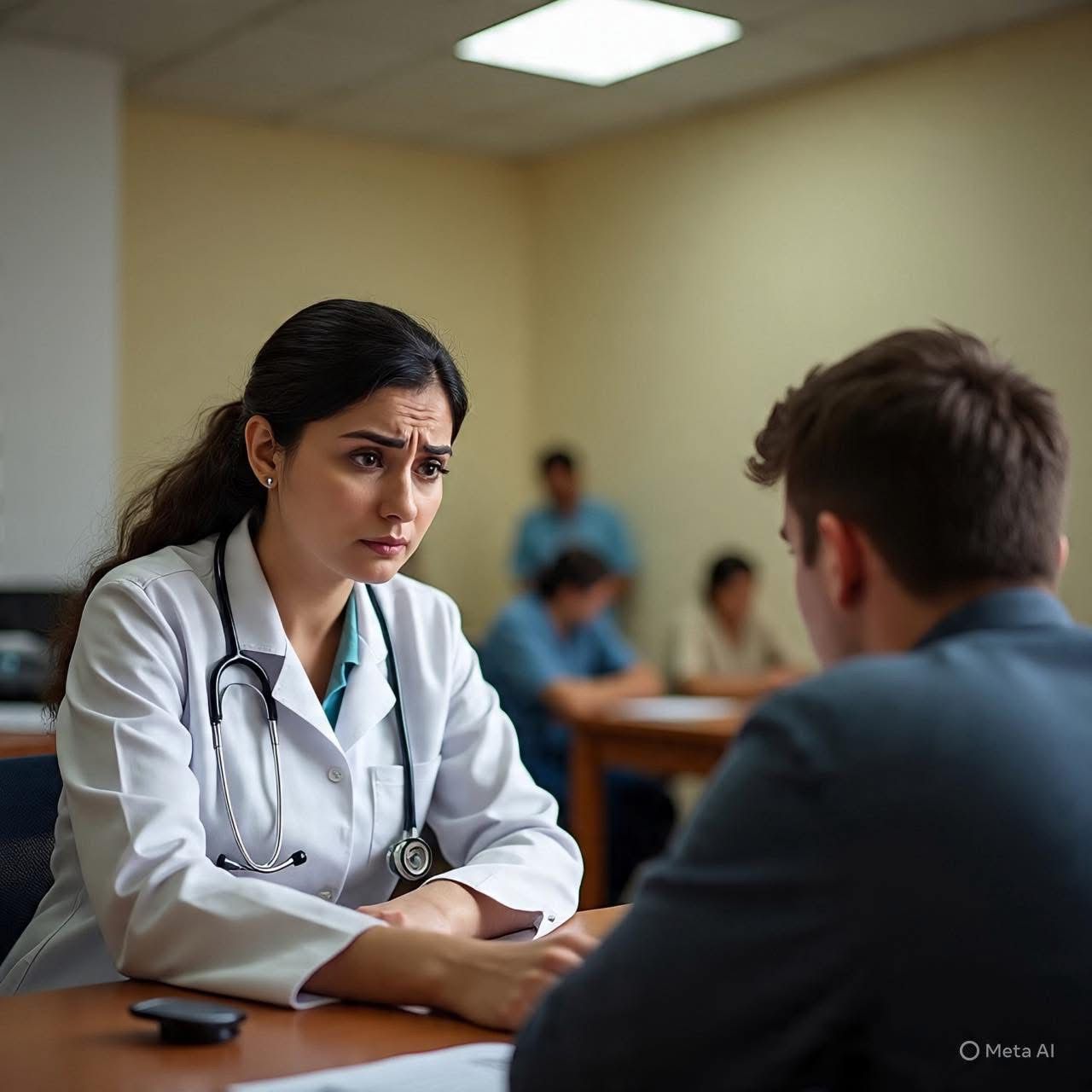
When he finally walked into my clinic, my first question was, “Why didn’t you reach out to us in all these years?”
“His reply stunned me: “Doctor, you had told me not to come back if I could not quit smoking and drinking….. And I couldn’t.”
In that moment, my heart sank as I realized the weight of my words. What I had dismissed as a casual remark had kept a patient away from care for years.
I had underestimated the power of addiction, and overestimated the impact of reprimand. Despite years of medical training, I had failed to acknowledge that addiction is not just a habit—it is a disease.
Patients don’t need ultimatums for their disease; they need guidance, empathy, and support. That day I learned an important lesson. Communication is as powerful as any prescription we write. The right words can inspire change, while careless ones can close doors for years.
As doctors, perhaps the best medicine we can offer is the ability to guide with compassion rather than judge with authority.
Despite years of experience, we sometimes falter. Time and again we are reminded that medicine is not just about science and skill, but also about humility and the willingness to reflect, to learn from our mistakes, and to correct ourselves for the sake of those who trust us with their lives.
©️Dr. Aparna Govil Bhasker