Posts by Aparna Bhasker

AGE IS JUST A NUMBER

By- Dr. Aparna Govil Bhasker

I am a Mumbai girl and nothing defines Mumbai better than its local trains. Over the last few months, I have gradually shifted to using local trains a lot more than my car, which to be honest is more of a burden than convenience, in this over crowded city. Trains are undoubtedly faster when one has to get to multiple hospitals in a single day. Deep down I also feel happy about indirectly reducing my overall carbon footprint and doing my bit for the future generation.

Local train journeys in Mumbai can be quite entertaining and I have come to enjoy them mostly. (Except for the times when one may get crushed to near death!) Very often there are small time vendors selling their goods to the passengers. On one such day, I observed an old lady who walked with the support of a stick. She was extremely frail and bent over. Her head kept shaking with the slightest of movement. She must be in her eighties nearing ninety for sure. As I saw her boarding the train, I thought of getting up and giving her my seat. However, I was in for a pleasant surprise. As she entered the train compartment, she stabilized herself on her stick and took out a dozen colourful bracelets from a worn out bag to sell to the passengers. Now, I am not very fond of jewellary but that day, I felt compelled to buy that bracelet. I paid ten rupees and kept it in my bag, knowing fully well that I will never wear it.

A few days later, I saw her again. Bent over her stick, with her head shaking all the time, there she was. Once again, I felt compelled to buy one of the bracelets. The third time this happened, I saw a glint of recognition in her eyes and a tiny hint of a smile. As she glanced at my empty wrists, none of us needed to say anything.

It has been 3 months since I saw her last. Every time I am in that train, my eyes look for her. I wonder if she is well, as I have no way of knowing her whereabouts.

However, the bracelet has found its permanent place as it lies in my bag. I am not superstitious but it is my lucky charm. A charm that reminds me that age is just a number and it is always possible to earn a respectable living till our last breath. Every time I open my bag, the shiny bracelet looks up at me and inspires me to go on, to work hard and to live life to its best potential. And one day, when I close my eyes forever, I will lie there peacefully knowing that I gave it my best, always.

#HerStory #inspiration #motivation #draparnagovilbhasker

THE GIRL IN THE HIJAB

“THE GIRL IN THE HIJAB”

By- Dr. Aparna Govil Bhasker

It was midnight as I stepped out of Mumbai airport. I had had a busy week at work. This was a week that pulled me down in many ways. Certain incidents in the week kept me wondering about the lot of women in our country. How women not only fail to question certain norms, but feel compelled to conform to outdated traditional values even if it comes at a heavey price that they may have to pay.

It was midnight and I desperately wanted to get home at the earliest and get some rest. At the prepaid taxi counter I was informed that I will be getting a “woman driven cab”. As I stepped out to find the cab, I was pleasantly surprised to see this young girl in Jean’s and shirt and a hijab that covered her head. She greeted me with a warm smile and we started our journey together. “Mam, I am not very familiar with the roads of Mumbai, please do guide me”.

At 12.30 am in the night, I was being driven home by a girl in a hijab who was crazy about driving cars and was completely okay with driving around the city alone, in the dark hours of the night without a care. I asked her if her family was okay with her work and she just said that, it didn’t really matter… she just loved to drive.

Normally when I sit in a cab, first thing I do is to ask the cabby to switch off the music. But, yesterday, while I felt emotionally depleted, her energy was infectious and it changed something inside me. I needed a sign to tell me that all is not wrong with this world and there is a lot to be hopeful for. She loved Bollywood music. We kept the music on and chatted along the way. At the end of the journey, I told her that I was proud of her for being so brave and a million dollar smile lit up her face.

It lifted my spirits as I realized that women across the world are breaking barriers one step at a time. The journey is long and the destination very far, but it is heartening to meet such lovely women for whom breaking barriers comes naturally. They make us hope that all is not wrong with the world and it indeed is going to be a better place in future. May their tribe grow.

I guess inspiration is all around us, we just need to open our eyes and hearts to find it.

#HerStory #Priyadarshini #womendrivencabs #wethewomen #womenempowerment #motivation #inspiration #womenofindia

BARIATRIC SURGERY – Should Children Have It

Dr. Aparna Govil Bhasker

Bariatric and Laparoscopic GI Surgeon,

Global Hospital, Parel; Apollo group of hospitals, Currae hospital, Thane; Namaha and Suchak Hospitals, Kandivali and Malad

It is widely believed that the cohort of children born in the year 2000 in the USA, may live sicker or may not outlive their parents. With 19.3% of Indian children being either overweight or obese, we too are staring into an epidemic of childhood obesity.

In the Indian context a “chubby” child not only signifies good health but also good parenting. While it is true that genetics load the gun, it is the environment that pulls the trigger. In the vast majority of obese children, the cause for weight gain is polygenic and environmental. Monogenic obesity such as that caused by leptin deficiency is extremely rare and is seen in less than 1% of obese children.

Obese children tend to suffer from various health consequences like type 2 diabetes, obstructive sleep apnea, hypertension, dyslipidemia, fatty liver and so on. Till 30 years ago it was rare to see type 2 diabetes in children, but today children as young as 8 years are turning diabetic. Unfortunately, the changes these chronic diseases bring are irreversible and even if these children go ahead and lose weight as adults it leads to permanent damage to their blood vessels and other organs like kidneys, liver and heart. Apart from the physical changes, they also have serious self-esteem issues and tend to get isolated from their peers. 

Treatment options for childhood obesity largely include diet and lifestyle modification and pharmacotherapy in some instances. Success of bariatric surgery for treatment of adult obesity has led to a gradual surge in bariatric surgery cases being performed on obese children over the last few years. Bariatric surgery includes a variety of surgical procedures like gastric banding, sleeve gastrectomy, Roux-en y gastric bypass and duodenal switch. These are performed laparoscopic or by open method.

A couple of years back the International Journal of Surgery published a case report about a two years old toddler becoming one of the youngest patients to undergo weight loss surgery at a hospital in Riyadh, Saudi Arabia. This toddler underwent a laparoscopic sleeve gastrectomy surgery, wherein two thirds of the stomach was surgically removed. The report was published 2 years after the surgery was conducted and the child had lost about 10 kg in 24 months (an average of 0.4 kg per month).

This report was widely publicized in tabloids across the world and had generated a lot of media frenzy. Although most cases of bariatric surgery on children and toddlers are presumably performed as life-saving procedures; the overzealous media hype around them is worrisome. This overenthusiastic excitement borders on unreasonably coercing bariatric surgery as being a standard of care for obese toddlers and children, even in the absence of any hard evidence. These cases raise a lot of pertinent questions, not only about the future medical and psychosocial outcomes in these children, but also about medical ethics and moral accountability.

Most bariatric surgery procedures lead to a significant reduction in the levels of “Ghrelin” hormone. It has been proven that ‘Ghrelin’ plays a significant role in secretion of the growth hormone and is an important link connecting growth and body composition with metabolism. This reduction in Ghrelin levels can have unknown repercussions on the growth.

Bariatric surgery is also known to cause bone loss and osteoporosis in children. Nutritional deficiencies are known to occur after surgery, and to expect lifelong commitment in terms of nutritional supplementation from a toddler may be too much to ask for. The implications on future reproductive health and pregnancy outcomes are also unknown.

Direct extrapolation of adult results to pediatric population has not worked in the past and may not work in these case too. Moreover, an average weight loss of half a kg per month, can possibly be also achieved by implementation of a strict medically supervised lifestyle modification. These children are too immature to understand the gravity of the surgery being performed on them. For many years to come, they will not be able to apprehend the demands and exigencies of a bariatric procedure. It may be overzealous to perform this on children, who may be at risk of experiencing unanticipated negative consequences several years into the future. It is also not justifiable to surgically modify healthy organs of an innocent toddler in absence of any clear evidence regarding safety and future outcomes.

Another question that arises here is, ‘Who exactly are we treating?’

We would expect that parents would act in the best interest of their children, and usually, they are the ones who would take the decision and give consent for surgery. Poor parental food choices are a significant contributing factor leading to a rise in childhood obesity. More often than not, in such cases, we are probably actually treating the parental guilt rather than the health of the children in question. Surgery may be just a convenient solution to what may be perceived as parental failure.

As parents and doctors, we have a huge responsibility when it comes to the future of our children. Extreme caution is warranted while treating such cases. Prevention is certainly better than cure. Childhood obesity must be taken very seriously. We need to cultivate healthy eating habits in children and there must be regular health campaigns focused at prevention of obesity. Some of these severely obese children may be suffering from a genetic cause for obesity and must be evaluated and treated accordingly.

Cutting into a child’s healthy organ as a quick-fix must be avoided at all cost; and doctors and hospitals must refrain from generating unwarranted media hype around these cases. It is high time that the right perspective is brought to the forefront. Bariatric surgery must not be confused as being a standard of care for treatment of severely obese children. Even in cases where there is no other choice, a multidisciplinary team must look into all aspects before reaching to a decision and surgery must be performed with extreme caution. Bariatric surgery in children must be reserved only as a last resort when all other options have been exhausted and the choice is between life and death.

I AM A PERSON, NOT JUST A PHONE NUMBER

©Dr. Aparna Govil Bhasker

Come December and its the season of weddings. Be it DeepVeer, Nickyanka or the Ambani extravaganza, this year it seems to be unending. Social media has gone into a frantic frenzy with hundreds of shared images of exquisite wedding locales, star studded finery and mouth watering quisine! …..You can’t blame me from feeling a tad jealous of our dear, Sabyasachi! The man can practically retire now with enough savings for the next three generations! …..Having said that, if I am subjected to viewing anymore WhatsApp videos and pictures of weddings, I will probably start pulling my hair off!

Talking about the unfairness that life bestows upon us, the luck of a good looking but written off heir has suddenly turned around and jitters are being felt all over. Even Lord Ram himself could not prevent this from happening! The half blood prince has defied the odds and it looks like the tug of war has just become a wee bit more difficult. Well, luck does favour a few, however it seems like the political discussions have shifted base from being living room conversations to WhatsApp group conversations with members being divided into different camps… Unfortunately, more often than not, it hardly takes any time for these conversations to transform into acrimonious arguements. Social media lets you hide behind the anonymity of your phone and somehow it is always easier to be rude to a “message” than to a person.

And while most of us lowly mortals have to employ agencies to beef up the following of our social media accounts, there is a star baby that has become an instant internet sensation and has more than a million instagram followers who ogle at his every move! Mind you the following is consistent for over a year which is almost as long as he has been on this earth! Ofcourse this is the aspiration that parents must set for their newborn babies! Being a social media celebrity carries more significance today than getting good grades in school! Who cares if your kid has topped the class or won a difficult debate. The paradigm has shifted and today success is judged on the basis of totally different parameters.

So what is it that I am getting at? We all are aware that media is one of the least trusted institutions in the history of mankind. We already know that whatever the media feeds us has to be taken with a pinch of salt.

However, what about social media? In my mind social media is the true reflection of the society that we live in. While conventional media shoves things down our throats, social media is what we “want” to see….

Unfortunately, today I dont see much difference between what is shown to us and what we want to see. And that is the concerning bit. We are so taken with the irrelevant, that most of us are forgetting what is relevant to us. We spend hours scrolling on our phones looking at stuff that is of no significance. We ogle and quibble incessantly about insignificant trivia. We feel compelled to respond and react to stuff thay may or may not concern us directly. Our ability to express an uncensored opinion obviously boosts our ego and gives us a false sense of importance.

In times to come, I guess self restraint will be an extinct quality and all we will get to hear is incomprehensible noise.

There is no doubt that social media is powerful and just like every other powerful medium, it can go both ways. Potential for good is as high as potential for harm. With great power comes great responsibility and this time the onus lies on us. Lastly, I pray that while social media continues to rule our lives, we stop treating people as just a “number” and begin to look at them as a “person” once again.

©Dr. Aparna Govil Bhasker

DOCTOR WE TRUST YOU!

©Dr. Aparna Govil Bhasker

As the year comes to an end, we finally wrapped up writing, editing, rediting and re-re- editing our book on doctor- patient relationships. Oh no…dont get me wrong! This is not a promotional post! Those will come later :), closer to the release, and there is still some time for that!

However, as we spent hours researching facts and hard data on doctor patient relationships, one fact that really struck me very deeply was that 92% of patients “trust” their doctors! For more than 25 years, medical professionals have topped the charts by being the most trusted profession of all. People trust their doctors more than they trust teachers, judges, engineers, professors and lawyers…… Need I say anything about media, government, politicians and advertising? I dare not…. I can just blame it on the data! Lol ?
©Dr. Aparna Govil Bhasker

In this era where negative news sells like hot cakes and probably rakes all the moolah, positive news tends to get buried under the weight of all the negativity. No one is interested in the positive. Positive ofcourse is boring. Which newspaper would like to publish that today 10,000 patients underwent successful medical treatment in the city of Mumbai! Is that even news? No way…But ofcourse they would jump on- “one patient had a complication” or “one doctor screwed up” or “xyz sues abc”. That is interesting and that makes people buy newspapers and watch news channels!

Coming back to the core issue of doctor patient relationships. Today a lot of patients think that doctors are predators. Infact some doctors also think that doctors are predators! Well……what can I say to that……….On the other hand, a lot of doctors view every new patient as a prospective litigant. No one can blame us for being defensive because afterall, tomorrow we may get sued for some rare test that we didnt order. ©Dr. Aparna Govil Bhasker

However, the fact that more than 90% of the patients still trust their doctors places us at a very important “Y” junction. I think this is the time to initiate a conversation. Not every doctor is a predator and not every patient is a potential litigant. In day to day life, doctors and patients generally share a beautiful relationship. Most of us doctors, enjoy conversing with our patients, some of our patients become our best friends, we wake up to messages filled with heartfelt gratitude and most us have the talent to connect with others easily. As for patients, most of them have high regards for their doctors, they share their darkest secrets with us and trust us deeply. Afterall they place their lives in our hands. Having said that, even though this is a transactional relationship and there is a fee to service, no amount of money can ever be equated with the value of life and the weight of responsibility on the doctor’s shoulder.

In the recent years, morale in the medical community has been at its lowest. There have been increasing incidents of assaults on doctors, hospitals being vandalised and all kinds of violence pervading into our system. Politicians (including you know who!) and media have just added fuel to the fire. ©Dr. Aparna Govil Bhasker

Doctors today have the highest rate of depression and suicide. Burn out rate amongst medical residents is one of the highest in the world. We probably are the only profession made to feel guilty about charging a fair fee and have to justify it every single time. Most doctors I know and that includes myself, do not want their next generation to be a doctor. ©Dr. Aparna Govil Bhasker

So, where are we heading in 2019? Are there any solutions to these questions. In my mind the solution is evident. I agree that their are outliers amongst doctors and patients but more than 90% of doctors are good doctors, and more than 90% of patients, trust these good doctors.

Need of the hour is to generate more positivity from both the sides. Somewhere the tracks have to converge and a conversation needs to be initiated. Fear of laws can only help us temporarily but ultimately the behaviour of people is reflective of the society they live in. It is heartening to see such reports and it gives us hope that the present and the future are not as bad as they are made out to be. Just like patients are looking for doctors they can trust, doctors are also encouraged when patients trust them. I hope and pray that the new year brings a fresh wave of change and positivity. This shall not be a twain that will never meet!

©Dr. Aparna Govil Bhasker

Ref: IPSOS Mori veracity index 2018

#doctorpatientrelationship

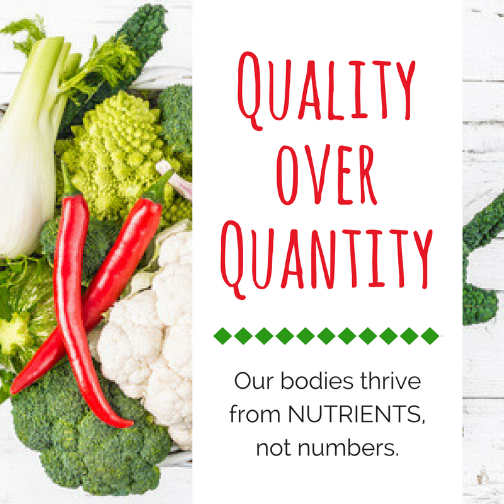
Quality versus Quantity Nutrition

Author- Mariam Lakdawala (Registered Dietician)

Common questions I generally get from my patients suffering from obesity,

I don’t eat much, still why am I gaining weight?”

“I eat less than one of my friend, but why is she so thin and I am not?”

My answer to such questions is simple, “Don’t only see how much is on your plate, but also see ‘what’ is on your plate”.

The basic rule of weight loss is to restrict the overall quantity of food and increase the calorie burning capacity of the body. However, this rule has been outdated as only quantity restriction in the absence of food quality management, will not result in positive weight loss outcomes. Also a good quality diet which consists of good quantities of proteins and fiber keeps you full for longer and delays the intake of subsequent meal.

Though factors like genetics and heredity play a major role in adding those kilograms, ‘food’ can also be a major factor for tipping the scales towards obesity. If the quality of the diet is poor, food becomes the major cause of obesity. Your food plate determines the quality of your meals. An ideal food plate must have all the major (macro) nutrients i.e. carbohydrates (also includes fiber), proteins and fats in correct proportions.

weight loss diet in mumbai, india

In India, our diet is rich in carbohydrates with very less quantities of vegetables and proteins. This has an adverse impact on our metabolism and exposes us to various metabolic diseases, including obesity. In metropolitan cities the dependence on ready to eat processed foods like biscuits, breads, noodles, sausages/ nuggets etc is much higher in order to save time. These processed foods are generally high in sugars, salt and fat which makes them less nutritious and dense with empty calories. Poor quality diet coupled with lack of physical activity just makes it worse and has played a big role in increasing obesity levels.

The quality and quantity of food are two sides of the same coin. Both the aspects are equally important not only for weight loss but also for maintaining good health and must not be ignored.

How to manage Reactive Hypoglycemia?

Author- Mariam Lakdawala, Registered Dietician

The most common observation made among diabetic patients is that they generally grab on sugar or sugary beverages when they get hypoglycaemic (a drop in the blood sugar levels). But are these sugar shots really helpful?

Temporarily – yes, but after 2-3 hours there are higher chances of experiencing another episode of Hypoglycemia. This kind of meal or rather simple sugar induced Hypoglycemia is known as Reactive Hypoglycemia. After the ingestion of sugar/ sugary beverages there is a rapid increase in the insulin secretion. Insulin causes a rapid digestion and absorption of sugars and still remains in the blood eventually causing low blood sugar levels.

The symptoms include dizziness, fatigue, light headedness, sweating, irritability, confusion, blurred vision, heart palpitations, etc.

Here are some dietary tips to prevent and manage reactive hypoglycaemia,

  1. Avoid consumption of sugar, honey, jaggery, processed foods, bakery products (bread/ biscuits/ cookies/ toast/ khaari/ butter, etc).
  2. Add fiber rich foods like vegetables, pulses, sprouts, fruits to every meal in order to improve the quality of carbohydrates.
  3. Do not keep long gap between the meals. Eat a small snack in between the main meals.
  4. Ensure every meal is balanced with good quality proteins from milk, curds, paneer, soy and its products, egg, fish, poultry, meat, etc.

Reactive hypoglycaemia could be because of multiple other reasons (Eg. Post gastric bypass surgery) and can be managed with the same dietary modifications. In case it doesn’t resolve with the diet, you can check with your doctor for further medical management.

Bariatric Surgery – How to maintain weight when the “Honeymoon” Wears off

Mariam Lakdawala, Bariatric nutritionist; Dr. Aparna Govil Bhasker, Bariatric Surgeon

Honeymoon period is basically the golden period in the first year post bariatric surgery wherein the patient experiences drastic weight loss. Obesity surgery leads to weight loss through a combination of various mechanisms such as restriction of food intake, a decrease in hunger sensation, mal-absorption of calories, action of gut microbes and hormonal activity in the gut.

An interesting fact about the “post-bariatric surgery honeymoon phase” is that it is relatively longer than the “post-marriage honeymoon phase”. However, like the other one, this too is a temporary phase which sadly comes to an end after 6-9 months of surgery. After about 6 months or so, weight loss starts slowing down, but continues to happen until 1 year-18 months. Most patients reach the nadir of weight loss between 18 to 24 months.

By the end of 12 to 18 months, there is a considerable increase in food intake and hunger. Bariatric surgery is a tool that must be used for pushing one into a lifestyle change. Patients who embrace a healthy diet and an exercise regime, tend to do better in the long term. Varying degrees of weight regain is seen after obesity surgery in the long term. Regular follow up is the key to maintenance of weight loss in the long term.

In the first 6 to 9 months after the surgery, the main focus must be on conditioning the mind to, adopt a low calorie well balanced diet:

  • Your diet is important not only during the honeymoon phase but is even more important after 12 to 18 months to prevent weight from coming back
  • Restricting outside eating & intake of fried food, ice-cream, chocolates, processed foods, sugary foods etc.
  • Fat gives double the amount of energy as compared to carbohydrates and proteins, hence it should be restricted in the diet.
  • The body spends more energy to digest protein; thus, a high protein diet is very important for weight loss and maintenance. It is wise to distribute protein rich foods in all the meals in order to ensure better absorption.
  • Avoid keeping long gaps between meals, eat every 3-4 hours to prevent overeating in the subsequent meal
  • Maintaining a food diary is the best method to be aware of the food choices you make.
  • Grazing which is a repetitive eating behaviour, in an unplanned manner not associated with hunger or satiety sensations, could develop post the surgery. It might lead to poor weight loss if not corrected. A simple way to deal with it is to eat the entire meal at a go and keep a decided gap consciously between the meals.

Mindful eating

The story doesn’t end on what to eat, how to eat? how much to eat? When to eat? Is equally important. Given below is the cycle of mindful eating created to make you more mindful about your eating habits.

Mindful eating basically involves the practise of eating food slowly, in a relaxed environment by limiting other distractions so that you can focus well on your meals. As a result, you will be more conscious of portions and food intake.

Make exercise a way of life – Engage in any form of physical activity daily for at least 40-45 minutes. Make exercising fun by engaging in the activities you like so that you don’t leave it in between.

In addition to a focused exercise, increase the nonspecific exercise activities like usinga stairs instead of taking elevators or escalators, park your vehicle a little away from the intended destination, avoid using vehicle for short distances, etc

Stay away from lifestyle stressors like alcohol, smoking, erratic sleeping, sedentary lifestyle, work stress, etc.

Engage in meditation/ yoga/ breathing techniques or spend 30-40 minutes of your time daily in any activity that keeps you away from negative thoughts.

Dr. Aparna Govil Bhasker is one of the best bariatric surgeons in India and is associated as a consultant bariatric surgeon in Mumbai with many renowned hospitals.

Hair-fall after bariatric surgery

Author:

Mariam Lakdawala RD

Bariatric nutritionist and diabetic educator    

Hair loss is one of the most important concerns that patients have after weight-loss/bariatric surgery. In the first 6 months, more than normal amount of hair fall may be experienced depending upon the age, gender, genetic factors, etc. This hair loss however, is not permanent and it can be decreased with dietary modifications and adequate supplementation. 

Why does hair-fall happen after bariatric/weight-loss surgery:

Hair follicles have two phases of growth namely:

Anagen – Active growth phase

Telogen – Inactive phase

Hair follicles start with anagen phase wherein the growth occurs and then move on to the telogen phase which lasts for 100-120 days. Then the hair falls out. This process, if accelerated, is called Telogen Effluvium and is the cause of hair loss in bariatric patients.

Telogen effluvium could occur due to: 

  • Rapid weight loss
  • Increased stress
  • Chronic disease such as liver disease or any chronic debilitating disease
  • Hormonal imbalance such as hypothyroidism
  • Poor compliance with supplementation resulting in micronutrient deficiencies especially, iron deficiency
    • Decreased absorption in case of a mal absorptive surgery, as most of the iron absorption occurs in the Duodenum
    • Less Hydrochloric acid (HCL) to convert iron into its most bioavailable form, as 3/4th of the stomach containing HCL is bypassed.
  • Food intolerances resulting in overall very less food intake
  • Low protein intake- There is decreased absorption of proteins post a mal-absorptive surgery
  • Decreased tolerance to protein rich foods
  • Medications

To decrease hair fall, make sure that the following nutrients are included in your diet

  1. Proteins: Insufficient protein intake can cause thinning of hair, affect the normal process of hair growth and causes diffuse alopecia. Thus, a protein intake of 1.5 g/ kg of ideal body weight is very important post the surgery with more emphasis on essential amino acids. Among all the essential amino acids, L-Lysine has shown to improve hair growth after the period of decline and also can improve the levels of iron in the body. L-lysine supplementation of 1.5-2 g is recommended (Faria. S, et. al, 2010). Its bioavailable forms are found in fish, meat and eggs. The vegetarian sources include, soy products, lentils, quinoa, black beans, pistachios, pumpkin seeds, etc.

Protein deficiency can be identified by serum albumin levels, loss of muscle mass, hair fall and weakness.

  1. Iron: Iron supplementation can help to decrease hair fall induced by iron deficiency. In case of GI related disturbances or if the haemoglobin levels are very low, intra-venous iron can be prescribed. Iron deficiency can be identified by serum iron studies and a complete blood count.
  2. Biotin: It plays a vital role in the development of hair follicles.

Supplementation of 1-2 mg of Biotin may be helpful to decrease hair fall (Faria. S, et. al, 2010).

  1. Zinc: It is an important factor for the growth and development of hair. In case of hair loss 15 mg/d of zinc chelate is recommended (Faria. S, et. al, 2010).
  2. Essential fatty acids: Biotin if complimented with essential fatty acids, can decrease hair loss. Foods rich in essential fatty acids include fatty fishes, flaxseeds, flaxseed oil, extra virgin olive oil, etc
  3. Vitamin B12: Deficiency of B12 may alter the pigmentation of hair. However, this alteration can be reversed by B12 supplementation.

Take a look at few suggestions to help you deal better with fear of hair loss post weight loss surgery

  • Relax and don’t worry, you will lose 5-15% of your hair due to the stress of surgery and weight loss. It rarely lasts more than 6 months and grows back.
  • If it lasts for more than 6 months visit your primary care doctor to be evaluated for any illness or non-nutritional reason for hair loss
  • Be regular with follow-ups so that any nutritional deficiency causing hair loss can be timely identified and taken care of

Surgical & Prosthetics

Interventions like hair transplant, hair restoration therapy like QR678, may be considered if hair-loss persists even after 18 to 24 months of bariatric/weight-loss surgery.

Wigs, weaves, etc can be used as a temporary measure to tackle with hair loss if required.

Last but not the least, hair-fall after bariatric/weight-loss surgery is a transient phenomenon and is self-limiting. However if it has become a cause of stress, do visit us so that we can evaluate and help you out.
Reference:

Faria, S., Pereira Faria, O., Diniz Lins, R., & Rodrigues de Gouvea, H. (2010). Hair Loss Among Bariatric Surgery Patients. Bariatric Times, 7(11), 18-20.

How to choose a Protein Powder after Bariatric Surgery?

Author: Mariam Lakdawala, RD

Bariatric nutritionist and diabetic educator

My last blog emphasized on the importance of protein supplementation post weight loss/bariatric surgery. It is extremely important to meet the protein requirements (especially for vegetarians) to prevent or decrease the consequences of possible protein insufficiency after weight loss surgery.

In our practice we see that most patients a number of preconceived notions and mis-conceptions about protein supplements. A lot of patients feel that protein supplements are artificial and can be harmful, they may lead to weight gain or that they are just meant for body-builders…. the list just goes on! After any type of weight loss / bariatric surgery, food intake goes down considerably and it is usually not possible to meet the body’s daily protein requirement through food alone. Hence it becomes essential to add a protein supplement.

Now, the market is full of options for protein powders. Various brands and different types of protein powders and meal replacers are available today. It is enough to confuse anyone. The commonest query I get from my patients is, “Which Protein powder should I choose to meet my requirements?”.

This blog will enable you to understand the nutritional label on these protein supplements and help you to decide which one will be the best option for you.

Let us first understand classification of proteins:

  • Concentrates: Concentrate contains between 30% and 85% protein based on the degree of removal of non-protein part. It is cheaper and easier to find.
  • Isolates: Isolate contains up to 90% protein and very less non-protein part. It is best quality protein, but more expensive
  • Hydrolysates: These are partially digested proteins, which are digested faster than the intact proteins. It has a higher content of amino acid Leucine which is essential for “turning on” muscle building.

Next is to look out for measures used to state the digestibility of these proteins. Given below are the most widely accepted ones, which will be either printed on the label or can be obtained on demand. Every measure used will have its own pros and cons, hence best is to check for more than one measure before making the final decision.

  • Biological value: It determines how much of the digested protein stays in your body and is represented on a scale of 0-100. 100 being the highest bioavailability
  • Protein Digestibility Corrected Amino Acid Score (PDCAAS): This score ranges from 0-1.0, 1.0 being the most likely to meet human protein needs. 
  • Amino acid profile: A complete protein will contain all the essential amino acids (Essential amino acids are not produced by the body and have to be obtained from diet) required for the synthesis of important proteins in the body.

Knowing the type of protein is very important to match your diet preference and also to know which one will suit you the best.  

  • Whey proteinis one of the most commonly used protein obtained from milk. It contains all the essential amino acids and is easily digested. Whey concentrate retains lactose as it is comparatively less processed versus whey isolate which contains negligible amounts of lactose. It is rich in Branched Chain Amino Acids (BCAA’s) which promotes muscle growth.
  • Soy proteinis a plant based protein obtained from Soya bean and is the best choice of protein for vegans.
  • Casein Protein: Like whey it is also obtained from milk. However, it is digested and absorbed very slowly.
  • Egg protein: It is an eggcellent source of high quality protein. Egg protein powders are generally made from egg whites and not whole egg
  • Rice protein, which is 100 percent plant-based, is a good choice for vegetarians or for people who don’t consume dairy products. It’s also gluten-free. However, it is not a complete protein and is not ideal for muscle building
  • Pea proteinis highly digestible, hypo-allergenic and economical.
  • Hemp proteinis also 100 percent plant-based. It is a good source of omega-3 fatty acids. However, it is not a complete protein as it is low in amino acids lysine and Leucine.

While selecting the protein powder also check the sugar content, as high sugar content in your protein drink will aggravate the risk of dumping syndrome especially after a Roux-en y gastric bypass. Instead of sugar, you can add ginger, cinnamon, cloves or extracts like almond extract, coconut extract, vanilla extract, peppermint, etc for taste.

In short, protein powders provide high quality protein in a concentrated & convenient form. Hence, instead of running away from protein supplements, know how to read the nutritional label on protein supplements and make them your friends.

References:

How can vegetarian patients keep up their protein intake post bariatric / weight loss surgery

Author: Mariam Lakdawala
Registered Dietician and Bariatric Nutritionist

Protein is very crucial as it forms a part of every cell, tissue and organ in the body. Post weight loss surgery meeting your ideal protein requirement is extremely important. All bariatric surgeries lead to restricted intake which in turn leads to a drastic decrease in the total number of calories consumed daily. In case of mal-absorptive bariatric surgeries, along with restriction the absorption of proteins is also affected. Indians are primarily vegetarian. Even those who consume non-vegetarian foods, do so in small quantities. Hence post bariatric surgery, it is extremely important to lay stress on this aspect of nutrition.

The major role of protein is to rebuild and maintain muscle mass. In addition, protein has many other roles to play, like it enhamces the wound healing post surgery, it enables the immune system to work efficiently, helps to maintain healthier hair, skin and nails and provides satiety which prevents hunger pangs in the subsequent meals.

Low caloric intake post-surgery, compels the body to use fat stores as well as muscle mass as a source of energy which results in the loss of lean muscle mass.

A daily protein intake of 1.5g/ Kg/ Ideal Body Weight has shown to prevent muscle loss (Moize. V. et. al., 2003). After bariatric surgery, for vegetarians, it is difficult to meet such high protein requirements through diet alone. Adding protein supplements to a high protein vegetarian diet thus becomes necessary to reach the ideal protein intake.

Dietary Management:

To keep up with the protein requirement of the body, the golden rule post weight loss surgery is to include a protein rich food in every meal. Let us have a look at few vegetarian foods rich in protein,

  • Low fat milk/ Low fat curds/ Unflavoured Yoghurt
  • Home-made Cottage cheese/ Tofu
  • Soymilk
  • Soy granules/ Soy chunks
  • Sprouts
  • Dals and Pulses
  • Combining dal/ pulse/ sprout with cereals (Rice/ Wheat/ Jowar/ Bajra/ Ragi/ Maize) in 1:1 proportion increases the quality of proteins.

You can incorporate one or more of these protein supplements listed below as prescribed by your Bariatric Nutritionist keeping in mind your requirements,

  • Protein powders – Whey isolate/ Whey Concentrate/ Other high protein blends (E.g. Soy + milk proteins/ Peanut + milk proteins, etc)
  • Protein bars
  • Protein chips
  • Threptin biscuits

Protein supplements are very important for atleast the first 10-12 months post the surgery. Later on, your intake increases fairly to meet the protein requirements through diet. Even after 1 year if protein rich foods are not consciously included in the diet, then continuing protein supplementation through external sources becomes unavoidable.

The compliance with protein supplements has always been poor due to its strong aftertaste, and food aversion post-surgery makes it even worse. However, with technological advancements the protein powders are getting better in terms of their taste and texture. There is a wide variety of flavours available in the market. In case you have tried many and still not being able to get your taste buds accustomed to it then you can try few tips to improve palatability,

  • Opt for vanilla flavour, as you can add some coffee powder/ fresh fruit to it for taste
  • Consume it chilled
  • Make it into a Smoothie by adding some yoghurt and fruit
  • You can add the protein powder to oat flour and make mini protein pancakes

What happens in case of protein insufficiency

Proteins play a very important role in the transport of various vitamins and minerals. Insufficient proteins in the body can affect the availability of vital nutrients such as iron, calcium, copper, and vitamins A & D.

Its insufficiency results in various symptoms like,

  • Edema/swelling,
  • fatigue,
  • muscle wasting,
  • thinning or brittle hair,
  • pale skin,
  • flaky or dry skin,
  • lethargy,
  • headache, etc.

Few suggestions to ensure sufficient protein intake are as follows, 

  • Don’t miss your follow-ups

Being regular with your follow-ups will help you to identify if you are deficient in protein

  • Maintain a diary

This option works great as you are aware how close or far you are from meeting your requirements. You just need to take out 10-15 minutes to write it down. End of the day is a good time to reflect and note down. Probably its even more effective than Almonds for improving your memory.

  • Maintain a checklist

You can consult your Bariatric Nutritionist to prepare a checklist of protein rich foods to be consumed daily as per your requirements. Put up that checklist in the kitchen so that you don’t forget your PROTEINS.

So please ensure that after bariatric surgery you are taking enough protein. If you are unable to do that, please get in touch with your bariatric nutritionist for her guidance. Prevention is always better than cure!

Reference

Moize, V., Geliebter, A., Gluck, M. E., Yahav, E., Lorence, M., Colarusso, T., … & Flancbaum, L. (2003). Obese patients have inadequate protein intake related to protein intolerance up to 1 year following Roux-en-Y gastric bypass. Obesity surgery, 13(1), 23-28.