©️Dr. Aparna Govil Bhasker
One of the most powerful stories that Homo Sapiens have passed on from generation to generation over thousands of years, is the story of “hope”. “Hope” is our true super-power. Hope can work miracles. Without “hope”… well… everything will be … “hopeless”…(no prize for guessing that)!
Hope is unique to our species. No other animal can boast of being able to feel this magical emotion. Human children are born brimming with hope. One just needs to look into those innocent eyes to feel it. However, with time, this reservoir of hope starts diminishing. As we grow up, few of us become childishly optimistic, some lean towards realism and many turn a tad pessimistic.
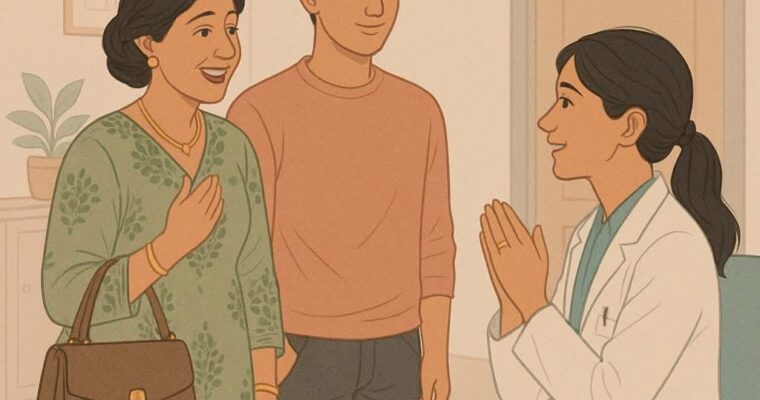
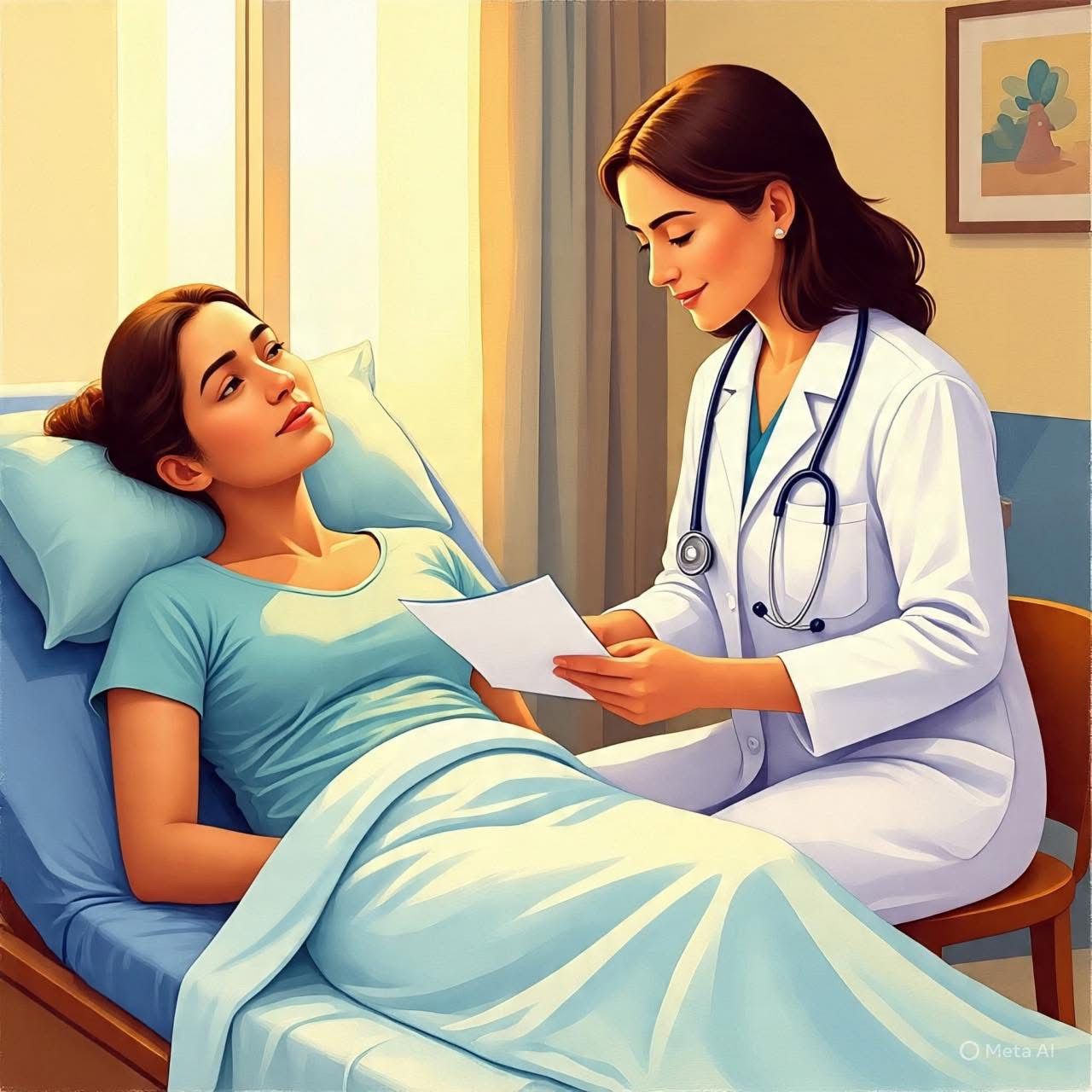
Like in everything else, “hope” is a very important ingredient in the potion of healing too. It is a lifesaving elixir for the patient and serves as a vital anchor for the anxious family members. It is no secret that patients who lose hope have poorer outcomes as compared to those who do not. A lot has been written about the role of “hope” in ailing patients and their families, however not much has been said about the significance of “hope” in doctors. It is simply assumed the doctors are the most “hopeful” of all adult humans. Can you imagine a doctor who is “not hopeful”?
As doctors, we start our professional careers by training on dead people (That’s not very high on hope score!). By the time we complete our medical training, we have already seen more sickness and death than any normal human would in their entire lifetime. We frequently witness the fragility of life and very often have to bow down to the forces of nature. Yet, as paradoxical as it seems, we have to dispense “hope” in every prescription that we write.
Does the reservoir of “hope” diminish in doctors as they age or does it increase? This is a million-dollar question. Doctors are like old wine. They are said to get better with age and experience. As years pass by, we see that many more people live through their sicknesses and regain their health, as compared to those who enter the doors of a mortuary. We come across many patients who defy all odds and overcome the worst of diseases. And though we spend a lot of time studying complications, we all know that complications are rare and rare things happen rarely. Thanks to advances in medical science, today most people are living twice as long as they were living a hundred years ago. Not only are they living longer, they are living healthier and looking better too. There is every reason to be hopeful.
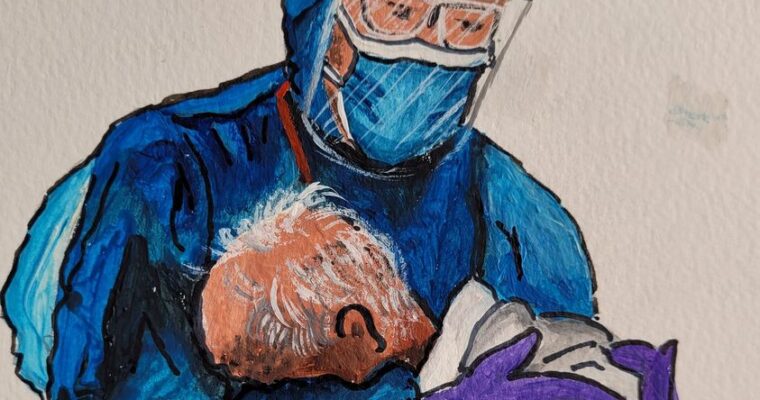
However, the true measure of hope for a doctor lies in how they navigate challenging situations. Every healthcare professional encounters difficult cases at some point in their career. These could encompass complex medical scenarios, cases with uncertain prognosis, difficult decision making, ethical dilemmas, emotionally charged relatives, legal threats etc.
We can never have all the answers when it comes to complex case scenarios, but years of experience engrave subtle patterns in our minds, aiding us in anticipating the clinical trajectory of a specific patient. Our minds weave together a tapestry of various stories and clinical situations, forming a powerful network of interconnected experiences and insights that significantly enhance our clinical ability. Many times, we are not able to pinpoint the exact pathology, but these interwoven stories serve as valuable reference points, enabling us to recognize patterns, identify key indicators, and make informed decisions in patient care. So, when an experienced doctor exudes hope, it signifies a profound understanding and confidence rooted in years of experience and learning. Hope is not just an abstract emotion in medicine, hope is entrenched in a blend of evidence and experience.
Sometimes the inability to achieve desired results despite best efforts can lead to feelings of frustration and failure. At times, coping with their own emotions can be quite overwhelming for doctors and the idea of “hope” can feel very elusive. Well, doctors are human too and can be as emotional and vulnerable as everyone else. Also, though the doctor patient relationship is often gratifying, the weight of responsibility always lies on the doctor’s shoulders and it can become a tad burdensome at times. At such times, just like we write prescriptions of “hope” for our patients, we need to understand the value of rejuvenating ourselves also from time to time. We also need to understand that battles are never won by lone warriors, it usually takes an army to defeat the enemy. On days when our “hope” reservoir is running low it makes perfect sense to take a break and let someone else take charge.
In the realm of medicine, hope emerges as a vital thread. Despite the challenges doctors continue to dispense hope, navigating through complexities with resilience and compassion. Empowered by knowledge and years of experience, hope transcends being merely a destination; and becomes a continual journey shared by patients and healers alike.