Tag: obesity surgery

WHEN A CHILD IS PUNISHED FOR HER WEIGHT

WHEN A CHILD IS PUNISHED FOR HER WEIGHT

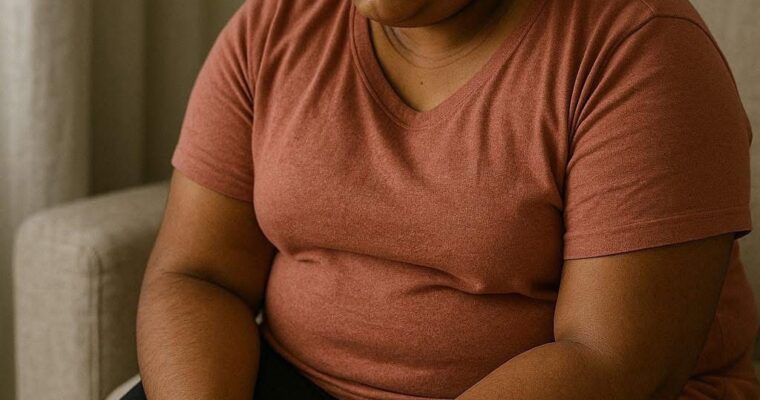
She is just 13 years old.Six months ago, she weighed 153 kilos. Today, after 6 months of bariatric surgery, she weighs 112 kg. She has lost 25% of her total body weight—a remarkable achievement by any medical standard. Physically, she’s doing better than ever. Emotionally, 

THE SILENT STRUGGLES

THE SILENT STRUGGLES

Yesterday, a 44-year-old man living with a weight of 182 kg broke down in tears during the consultation. He did not cry because he was in any kind of physical pain. He cried because he felt utterly helpless—and scared. He cried because he could no 

Using bariatric surgery to fight obesity

Using bariatric surgery to fight obesity

Dr. Aparna Govil Bhasker
Bariatric and Laparoscopic Surgeon

In the last week amongst the other patients I saw, there was one with a history of a stroke a few days back, one with a history of stroke, 2 years ago and a young lady with a condition called intracranial hypertension.

The one common factor between all three patients was, that all of them suffered from morbid obesity or clinically severe obesity, as it is called now.

The thing about obesity is that it is wrongly perceived as a sign of good health and a well to do economic status, atleast in India. However once people crossover from the overweight to the obese category, which is somewhere around a BMI of 29 to 30 or so, they tend to put on weight faster.

As the BMI continues to increase, obesity gradually starts affecting each and every part of the human body. Diabetes, high blood pressure and dyslipidemia are the big three that alongwith obesity form the metabolic syndrome. Eventually these together increase the risk of having cardiovascular events. Stroke is one of them.

Coming to the treatment part. Bariatric surgery is recommended for patients suffering from clinically severe obesity if their BMI is greater than 35. It can also be considered as a treatment option for patients with a BMI more than 32.5 with two or more associated diseases. As of now it is the only valid treatment option that leads to sustained weight loss in this patient population.

As a bariatric surgeon, I see many such patients on a daily basis. I also usually see that these patients and their families are very scared of getting the surgery done. There are many myths and many detractors who prevent these patients from getting treated on time.

Now here is the thing about treatment of any disease. Firstly, one needs to recognize that he or she is suffering from a disease. Secondly, get one or may be two expert opinions from qualified professionals and specialists about the best way forward. Thirdly, plan the entire process, prepare well and get it done. Last but not the least, dont delay the treatment. Every treatment works best in the early stages of a disease. Every single day that you delay, you are allowing the disease, time to grow and decreasing the chances of curing it.

Problems like stroke, heart related issues, embolism etc are life threatening complications of obesity. Dont let it grow to this extent.

Getting timely treatment can save your life and also improve your quality of life. Consult the right doctor at the earliest. Please dont miss the bus.

Dr. Aparna Govil Bhasker
Bariatric and Laparoscopic Surgeon
Bariatric Surgery – How to maintain weight when the “Honeymoon” Wears off

Bariatric Surgery – How to maintain weight when the “Honeymoon” Wears off

Mariam Lakdawala, Bariatric nutritionist; Dr. Aparna Govil Bhasker, Bariatric Surgeon Honeymoon period is basically the golden period in the first year post bariatric surgery wherein the patient experiences drastic weight loss. Obesity surgery leads to weight loss through a combination of various mechanisms such as 

Hair-fall after bariatric surgery

Hair-fall after bariatric surgery

Author: Mariam Lakdawala RD Bariatric nutritionist and diabetic educator     Hair loss is one of the most important concerns that patients have after weight-loss/bariatric surgery. In the first 6 months, more than normal amount of hair fall may be experienced depending upon the age, gender, genetic 

How to choose a Protein Powder after Bariatric Surgery?

How to choose a Protein Powder after Bariatric Surgery?

Author: Mariam Lakdawala, RD

Bariatric nutritionist and diabetic educator

My last blog emphasized on the importance of protein supplementation post weight loss/bariatric surgery. It is extremely important to meet the protein requirements (especially for vegetarians) to prevent or decrease the consequences of possible protein insufficiency after weight loss surgery.

In our practice we see that most patients a number of preconceived notions and mis-conceptions about protein supplements. A lot of patients feel that protein supplements are artificial and can be harmful, they may lead to weight gain or that they are just meant for body-builders…. the list just goes on! After any type of weight loss / bariatric surgery, food intake goes down considerably and it is usually not possible to meet the body’s daily protein requirement through food alone. Hence it becomes essential to add a protein supplement.

Now, the market is full of options for protein powders. Various brands and different types of protein powders and meal replacers are available today. It is enough to confuse anyone. The commonest query I get from my patients is, “Which Protein powder should I choose to meet my requirements?”.

This blog will enable you to understand the nutritional label on these protein supplements and help you to decide which one will be the best option for you.

Let us first understand classification of proteins:

  • Concentrates: Concentrate contains between 30% and 85% protein based on the degree of removal of non-protein part. It is cheaper and easier to find.
  • Isolates: Isolate contains up to 90% protein and very less non-protein part. It is best quality protein, but more expensive
  • Hydrolysates: These are partially digested proteins, which are digested faster than the intact proteins. It has a higher content of amino acid Leucine which is essential for “turning on” muscle building.

Next is to look out for measures used to state the digestibility of these proteins. Given below are the most widely accepted ones, which will be either printed on the label or can be obtained on demand. Every measure used will have its own pros and cons, hence best is to check for more than one measure before making the final decision.

  • Biological value: It determines how much of the digested protein stays in your body and is represented on a scale of 0-100. 100 being the highest bioavailability
  • Protein Digestibility Corrected Amino Acid Score (PDCAAS): This score ranges from 0-1.0, 1.0 being the most likely to meet human protein needs. 
  • Amino acid profile: A complete protein will contain all the essential amino acids (Essential amino acids are not produced by the body and have to be obtained from diet) required for the synthesis of important proteins in the body.

Knowing the type of protein is very important to match your diet preference and also to know which one will suit you the best.  

  • Whey proteinis one of the most commonly used protein obtained from milk. It contains all the essential amino acids and is easily digested. Whey concentrate retains lactose as it is comparatively less processed versus whey isolate which contains negligible amounts of lactose. It is rich in Branched Chain Amino Acids (BCAA’s) which promotes muscle growth.
  • Soy proteinis a plant based protein obtained from Soya bean and is the best choice of protein for vegans.
  • Casein Protein: Like whey it is also obtained from milk. However, it is digested and absorbed very slowly.
  • Egg protein: It is an eggcellent source of high quality protein. Egg protein powders are generally made from egg whites and not whole egg
  • Rice protein, which is 100 percent plant-based, is a good choice for vegetarians or for people who don’t consume dairy products. It’s also gluten-free. However, it is not a complete protein and is not ideal for muscle building
  • Pea proteinis highly digestible, hypo-allergenic and economical.
  • Hemp proteinis also 100 percent plant-based. It is a good source of omega-3 fatty acids. However, it is not a complete protein as it is low in amino acids lysine and Leucine.

While selecting the protein powder also check the sugar content, as high sugar content in your protein drink will aggravate the risk of dumping syndrome especially after a Roux-en y gastric bypass. Instead of sugar, you can add ginger, cinnamon, cloves or extracts like almond extract, coconut extract, vanilla extract, peppermint, etc for taste.

In short, protein powders provide high quality protein in a concentrated & convenient form. Hence, instead of running away from protein supplements, know how to read the nutritional label on protein supplements and make them your friends.

References:

How can vegetarian patients keep up their protein intake post bariatric / weight loss surgery

How can vegetarian patients keep up their protein intake post bariatric / weight loss surgery

Author: Mariam Lakdawala Registered Dietician and Bariatric Nutritionist Protein is very crucial as it forms a part of every cell, tissue and organ in the body. Post weight loss surgery meeting your ideal protein requirement is extremely important. All bariatric surgeries lead to restricted intake